


About us
Study at one of the leading institutions for environment and resource-related scholarship in Canada and abroad. For more than 40 years, we’ve been working towards a more sustainable future by offering graduate education in environmental management, science and policy. Learn more.
News from SRES
- Finding his place: Juan Chavez Cabrera
- How Covid has Made the Fight Against Plastic Pollution Even Tougher
- Wandering Through Ancient Woods with Peter Duinker
- Q and A with new faculty member Stanley Asah
- First assessment of its kind shows environmental impact of the full range of aquatic foods to help guide more sustainable production and diets
Research
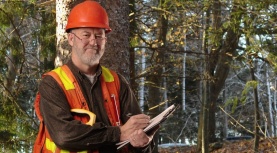
Given the demands of a growing population and rising consumption expectations, the rates of environmental degradation and loss are deeply problematic. Our research at SRES is critically important in creating the knowledge to slow environmental destruction. Find out more.
News from Faculty of Science
- On World Oceans Day, meet this year's winner of the Rob Stewart Award in Marine Conservation
- Grad profile: All‑star athlete, cancer researcher and tutor
- Battery pioneers charge up with $6M NSERC Alliance Grant, the largest grant of its kind ever at Dal
- Remembering Dal alum Angela Rehhorn through the Stay Connected Mental Health Project
- Advanced battery scientists join exclusive Tesla partnership at Dal in research chair roles